The Food Standards Agency (FSA) and Food Standards Scotland (FSS) have told food businesses to stop selling or using raw shell eggs from Yasensvit Ltd of Kyiv, Ukraine, and to withdraw and recall them, after Salmonella was identified in the product. The FSA issued a Food Alert for Action, reference FSA-FAFA-03-2026, on 10 October 2026, and FSS published matching advice to consumers and businesses the same day.
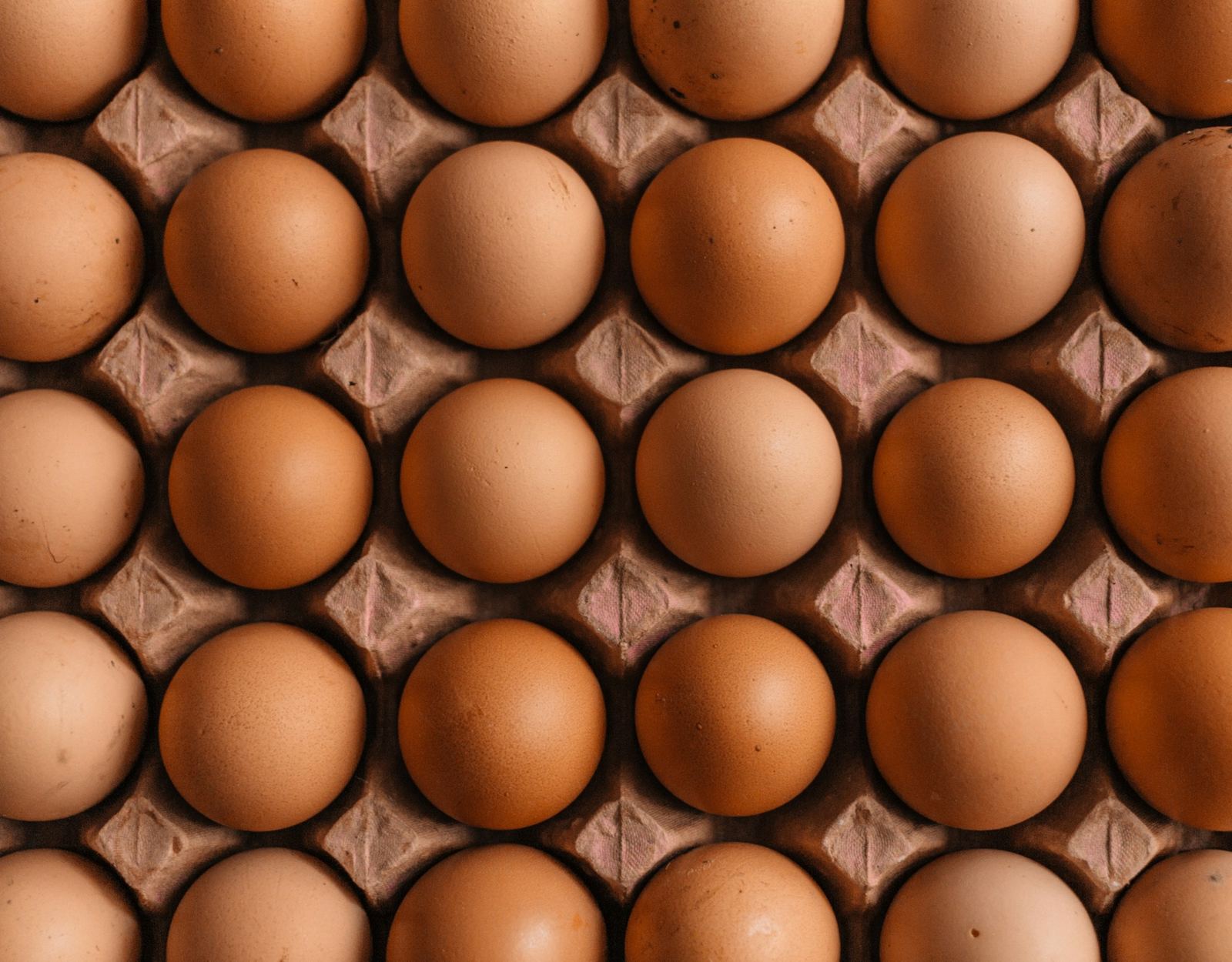
The alert covers eggs stamped on the shell with the code 3UA1012066, in all pack sizes and with all best before dates. FSS gives the producer’s approval code as a-UA-10-12-06-X-PC, PP. Because UK businesses may have repacked the eggs and sold them under different business names or packing centre details, FSS said the stamp on the shell is the most reliable way to identify them.
Where the eggs went
FSS said most affected eggs are believed to have been supplied through the catering sector, with some possibly sold through smaller independent retailers and convenience stores. They were not sold through major supermarket chains, the regulator said.
The FSA said egg sampling was part of an ongoing investigation into an outbreak of Salmonella Enteritidis thought to be linked to imported eggs. The UK Health Security Agency (UKHSA) found Salmonella Enteritidis in samples of eggs from one Ukrainian supplier and carried out whole genome sequencing, which showed the strain did not match the outbreak strains under investigation. The strain from the eggs was, however, linked to 36 cases of Salmonella infection reported in England in 2026, the FSA said. It did not say whether any of those cases were traced to this supplier’s eggs.
It is important to say however that eggs produced in the UK are not affected.
Jacquelyn McCormick, Head of Incidents, Food Standards Agency
What businesses must do
The FSA said the alert is directed primarily at businesses that may hold the affected product. Under the FSS notice, food businesses that received the eggs must stop selling or using them immediately, withdraw stock from sale, carry out a recall where products were sold directly to consumers, and dispose of the eggs safely. FSS said it and the FSA are working with local authority enforcement partners to remove the eggs from the market.
Food Management Today reported that the FSA also asked businesses to check their egg supply chains and the codes stamped on eggs within their control, warning that the eggs may carry other business details and packing centre codes after repacking in the UK. The FSA itself said it continues to review wider measures relating to the source of the current outbreak and is working with international partners.
For eggs outside the alert, FSS said thoroughly cooked eggs that are handled hygienically should not present a food safety risk. Its advice for vulnerable groups is unchanged: infants, young children, pregnant people and older adults should only eat raw or lightly cooked eggs that are produced in the UK and part of a recognised assurance scheme.
The regulators have not disclosed how many eggs were imported from Yasensvit, when the consignments arrived, or which UK importers, packers and wholesalers handled them.
Import controls back on the agenda
Poultry Network reported that Will Raw, chair of the National Farmers’ Union (NFU) Poultry Board, said the findings reinforced the union’s concerns about increasing egg imports from countries with different production standards, and called for stronger import controls, effective border inspections and core production standards applying equally to domestic and imported food.
According to NFU figures cited by Poultry Network, the UK imported more than 15,400 tonnes of Ukrainian eggs in 2025, more than 19 times the volume recorded in 2024. Between January and July 2026, imports in every month were higher than the same month’s volumes in 2023, 2024 and 2025 combined, the report said.
F&B Today’s reading
- Analysis: Caterers and manufacturers buying shell eggs through wholesalers should check the stamp on the shell, not the carton. The FSS warning about repacking means a UK packer’s name on a box does not establish where the eggs were laid.
- Analysis: Manufacturers that crack or pool eggs face the harder trace. They will need intake records that link producer codes to deliveries and to the finished batches that used them.
- Analysis: The growth in Ukrainian egg imports cited by the NFU, together with this alert, makes egg sourcing a question buyers in foodservice can expect from their own customers, particularly where menus serve vulnerable groups.