India’s retail food inflation rose to 7.74% in September 2026 from 5.97% in August, according to provisional Consumer Price Index data released by the National Statistics Office of the Ministry of Statistics and Programme Implementation (MoSPI) on 12 October. Headline CPI inflation, on the 2024=100 base, was 5.54%, up from a final 4.83% in August. Rural inflation was 6.08% and urban 4.88%.
Headline inflation has risen every month this year, from 2.74% in January to 3.48% in April, 4.45% in July and 5.54% in September. Food inflation was higher in rural areas than in urban ones: the Consumer Food Price Index rose 8.06% in rural India and 7.18% in urban India.
Kitchen staples lead the rise
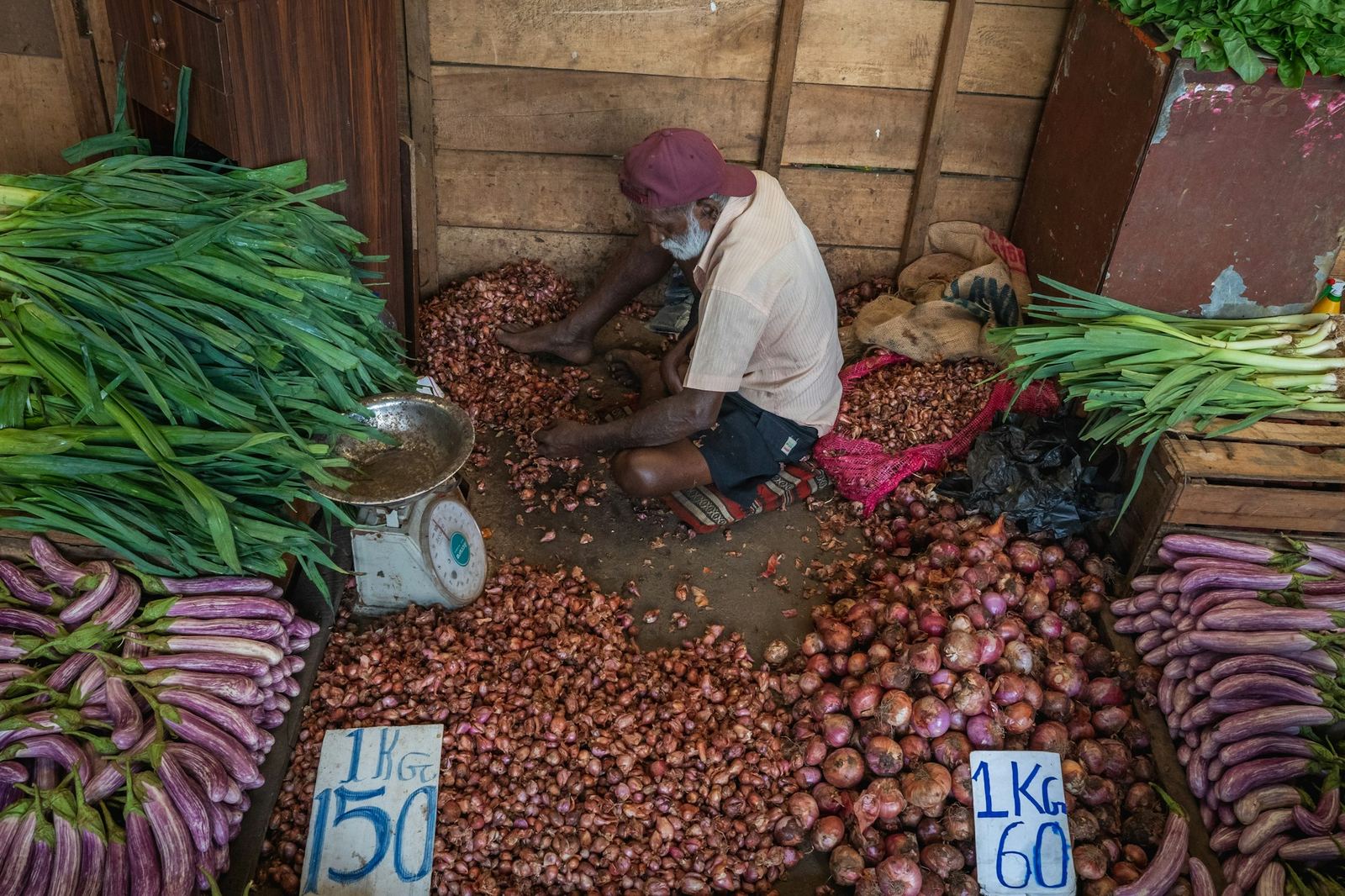
Of the five items MoSPI listed with the highest inflation in September, four were foods. Onion prices were 108.09% higher than a year earlier, up from 48.78% in August. Ginger inflation was 62.85% (73.82% in August), garlic 54.62% (43.60%) and lemon 36.41% (15.15%). The fifth item was silver jewellery, at 87.80%.
At the other end, potato prices were 11.50% lower than a year earlier and tomato prices 8.62% lower. Motor cars and jeeps (minus 4.51%), lady’s finger (minus 4.48%) and coconut (minus 3.99%) completed MoSPI’s list of the five items with the lowest inflation. In August, tomato prices had been 31.09% below their year-earlier level.
Within the food and beverages division, at 7.36%, the food group rose 7.74% and the beverages group 0.25%. The release does not give separate rates for cereals, pulses, edible oils, milk, meat or sugar; MoSPI says state and item indices can be downloaded from its eSankhyiki portal.
Eating out costs more
The restaurants and accommodation services division recorded inflation of 9.36%, the second highest of the twelve divisions after personal care, social protection and miscellaneous goods and services at 13.75%. Within it, food and beverage serving services rose 9.39%, at almost identical rates in rural (9.41%) and urban (9.38%) areas.
The figures came five days after the Reserve Bank of India’s Monetary Policy Committee voted unanimously on 7 October to raise the policy repo rate by 25 basis points to 5.50%. The committee also changed its stance to “calibrated tightening”, although two members, Dr Nagesh Kumar and Prof Ram Singh, wanted it kept at neutral. The committee’s resolution said the new stance signals that rate cuts are off the table in the near term. It cited CPI inflation of 4.8% for August.
The RBI projected CPI inflation of 5.2% for 2026-27, with 4.9% for July to September, 6.0% for October to December and 5.7% for January to March. It said food price increases had become more broad based, with notable spikes in items such as sugar and onion, and that the near-term outlook pointed to continued supply-side pressure from the deficient monsoon, El Niño conditions and high energy and other commodity prices whose pass-through was still continuing. It saw only limited signs of supply-side pressures getting embedded in pricing behaviour. The minutes are due on 21 October and the next meeting is on 2 to 4 December.
September’s CPI figures are provisional; August’s are now final. October’s CPI is due on 12 November.
F&B Today’s reading
- Analysis: Eating out is getting dearer faster than groceries: 9.39% for food and beverage serving services against 7.74% for the food group. That gap suggests costs beyond ingredients may also be feeding through. With the RBI projecting 6.0% inflation for October to December, further menu increases would meet customers whose own grocery bills are climbing.
- Analysis: Spice blenders, sauce and ready-meal makers and central kitchens that rely heavily on onion, ginger and garlic are likely to be more exposed to this month’s spike than the headline food figure implies. Lower potato and tomato prices may give chip and ketchup makers some relief, but the tomato cushion narrowed sharply in a single month.
- Analysis: Rural food inflation (8.06%) is running ahead of urban (7.18%), and the RBI has flagged the deficient monsoon as a risk to rural demand. Brands whose recent growth has come from rural distribution may need to plan for pressure on volumes in the second half of the financial year.
- Analysis: A higher repo rate is likely to raise the cost of the working capital needed to carry dearer stock. Buyers weighing whether to forward-buy onion and other volatile inputs are doing so with a policy rate that, on the RBI’s own guidance, will not be cut in the near term.