Nestlé India’s total sales rose 20.5% to Rs 6,782.2 crore in the July to September 2026 quarter, the second of its 2026-27 financial year, according to results approved by its board on 15 October and filed with the stock exchanges. Domestic sales grew 20.4%. The company said growth was driven by double-digit volume growth, but it did not disclose a volume figure.
Standalone profit after tax rose 36.3% to Rs 1,026.8 crore, the EBITDA margin was 23.8% and earnings per share were Rs 5.32. In the filing’s own units, revenue from operations was Rs 67,883.4 million against Rs 56,436.1 million a year earlier, and EBITDA was Rs 16,154.8 million against Rs 12,327.4 million. Consolidated profit, struck after the company’s share of loss in an associate, was Rs 10,096.1 million against Rs 7,431.7 million.
Where the margin came from
The filing shows that the cost of materials consumed, including purchases of stock-in-trade and changes in inventories, fell to 43.1% of sales from 45.5% a year earlier. The company did not say how much of that came from pricing, mix or input costs. Business Standard reported that tax cuts and selective price increases supported sales growth.
Brand spending rose sharply. The chairman said advertising and marketing spend rose 46%, though the filing does not show that spend separately. Other expenses rose to Rs 16,797.7 million from Rs 13,087.3 million.
Rising inflation, particularly food inflation, is a reality. We remain focused on navigating these external challenges through continuous innovation and renovation, sustained investments behind our brands, and an intensified focus on productivity and operational efficiencies to mitigate commodity cost pressures.
Manish Tiwary, Chairman and Managing Director, Nestlé India
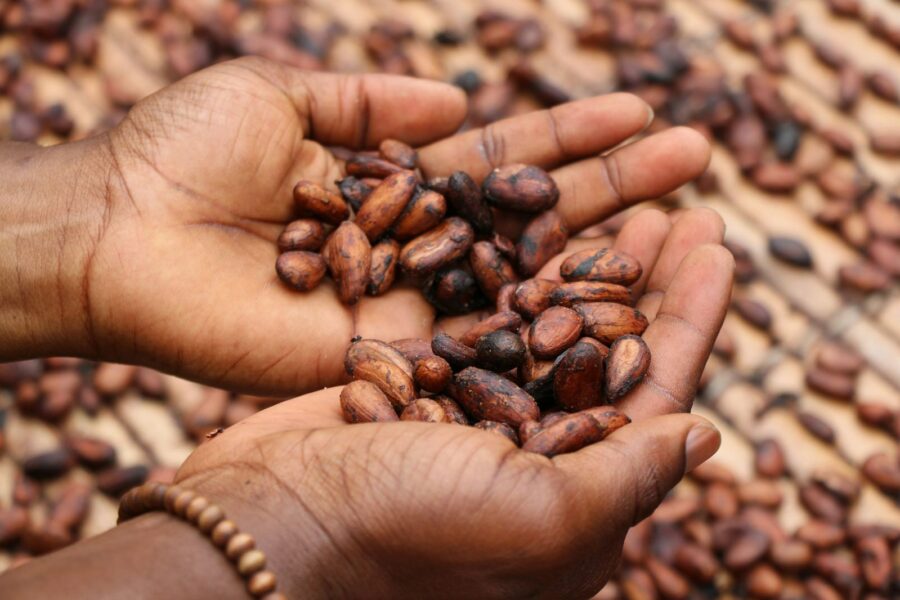
The company’s commodity outlook said coffee and wheat are expected to remain range-bound, that sugar and edible oils have stabilised at high levels, and that cocoa remains volatile because of weather-driven crop concerns in key origins. It said milk prices had strengthened seasonally but should ease as flush supplies arrive.
Channels and categories
All four domestic product groups grew. Confectionery recorded volume-led double-digit growth, with market share gains for KitKat. Powdered and liquid beverages grew on a volume-led basis, with the premium Nescafé Gold range in double-digit growth and ready-to-drink coffee scaling rapidly. Prepared dishes and cooking aids grew, with Maggi noodles expanding through rural penetration, and milk products and nutrition reported broad-based growth. Pet food delivered double-digit growth.
Nestlé Professional, which serves out-of-home customers, delivered double-digit, volume-led growth. The company cited Nescafé Duo Gusto, which it describes as an industry-first hot and cold machine, more cold beverage solutions, Maggi Coconut Milk Powder in coastal cuisines and greater use of Milkmaid in café and bakery applications. E-commerce growth was led by quick commerce, general trade grew by double digits across town classes, led by rural markets, and exports also grew by double digits.
Business Standard reported on 16 October that JM Financial expects sales growth in the second half of 2026-27 to look lower than in the first half, mainly because of base effects, and that Sunny Agrawal of SBI Securities said rising food inflation could hurt demand and pressure margins in the near term.
F&B Today’s reading
- Analysis: Nestlé India’s lower materials ratio came alongside a 46% rise in advertising and marketing spend. For smaller brands competing for the same shelf space and quick-commerce screens, that is likely to raise the cost of being seen just as their own input costs climb.
- Analysis: The commodity outlook is a useful read for any buyer of the same inputs. A view that sugar and edible oils have stabilised at high levels argues against waiting for a fall before contracting, while cocoa looks like the input where forward cover matters most.
- Analysis: Double-digit, volume-led growth at Nestlé Professional, built on beverage machines and recipe applications, shows a large supplier competing hard for café, bakery and quick-service accounts. With MoSPI putting food and beverage serving services inflation at 9.39% in September, operators may be able to use that competition when renegotiating supply terms.
- Analysis: The second half is the real test. Retail food inflation reached 7.74% in September and the RBI projects 6.0% CPI inflation for October to December, so the question is whether volume growth holds once tougher comparisons and higher shelf prices arrive together.